Access problems high rise flats Haringey and cleaning logistics
Posted on 19/08/2026
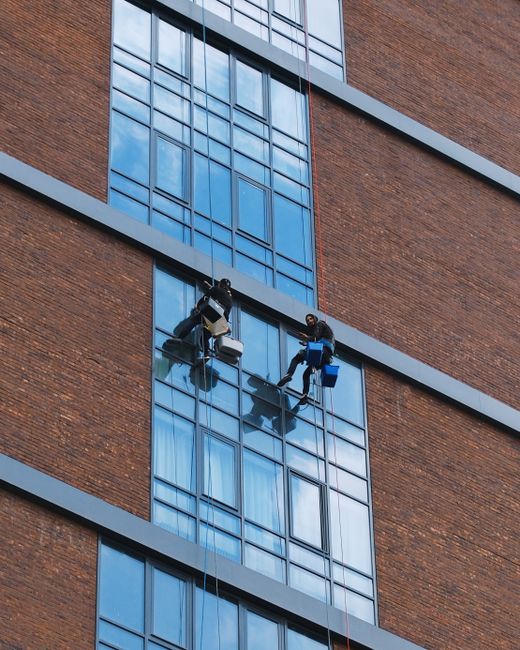
Access Problems High Rise Flats Haringey and Cleaning Logistics: A Practical Guide for Residents, Landlords and Cleaners
If you live or work in a tower block, mansion flat or modern apartment in the borough, you already know that access problems high rise flats Haringey and cleaning logistics can turn a simple clean into a small operation. A missing fob, a slow lift, a loading bay that is always full, or a concierge who is only on duty at certain hours - any one of those can throw the day off. And when you're trying to keep a busy home, rental, or office in good shape, delays quickly become expensive in time and patience.
This guide breaks down what usually goes wrong, how to plan around it, and what good cleaning logistics look like in real life. You will also find practical steps, a comparison table, a checklist, and answers to the questions people actually ask. If you are weighing up a one-off clean, a regular service, or a move-out clean, it should help you make the whole thing run a lot more smoothly. No magic wand, sadly, but there are smarter ways to do it.
Why Access problems high rise flats Haringey and cleaning logistics Matters
High-rise cleaning is not just about bringing in a vacuum and getting on with it. In taller buildings, the access layer can be just as important as the cleaning itself. If the cleaner cannot park legally, cannot reach the right floor, or has to wait for someone to open a door, the job starts late and often ends rushed. That affects quality.
In Haringey, this comes up across all sorts of buildings: older blocks with awkward entrances, newer developments with strict security, and estates where visitor access depends on concierge hours or resident cooperation. A clean that should have taken two and a half hours can stretch out because the lift is in service mode, the communal door code has changed, or the bin store is locked. It sounds minor. It rarely feels minor on the day.
There is another reason this matters. Good logistics protect the building as well as the service. Shared hallways, polished lifts, fire doors, and protected corridors are common in high-rise properties, and one careless trip with wet equipment can create complaints quickly. If you are managing a tenancy change, a domestic clean, or a routine visit, access planning helps everyone stay on the same page.
Practical summary: the cleaning result in a high-rise flat is only as good as the access plan behind it. If the access is vague, the clean becomes guesswork; if the access is clear, the day feels calm and efficient.
For landlords and sellers, this can also affect presentation. A property that is easy to enter, easy to clean, and easy to inspect is simply less stressful. If you are thinking about property value and day-to-day management, you may also find these property investment insights for Haringey and this guide to selling in Haringey useful in the wider picture.
How Access problems high rise flats Haringey and cleaning logistics Works
In practice, the job begins long before the cleaning equipment is unloaded. A well-run visit usually depends on five things: permission, timing, building entry, parking, and floor access. Miss one of them and the rest of the plan starts wobbling.
1. Permission and booking details
The cleaner needs the right address, flat number, and any building instructions. That sounds obvious, but the details that matter most are often the ones people forget. Is there a concierge? Does the resident need to meet the cleaner at the front door? Is a key safe involved? Are visitor details required in advance? Small things, big difference.
2. Arrival and entry
High-rise flats often have intercoms, buzzer systems, security doors or fob-controlled lobbies. In some blocks, the cleaner cannot be left to wander around looking for the right entrance. They need a clear arrival point, a contact number that works, and ideally a short written instruction. A phone call in a lift lobby with no signal. Not ideal, let's be honest.
3. Parking and unloading
Cleaning equipment is not always light. Machines, extension leads, chemicals, cloths, protective gear and water containers all need carrying in and out safely. If the nearest legal parking is far from the entrance, you lose time on both ends of the job. In some cases, you may need to organise a drop-off point or plan the visit around quieter traffic windows.
4. Lift and stair access
Many tower blocks depend on lifts, but lifts can be shared, slow, or temporarily unavailable. When that happens, stair access becomes the fallback. That changes the plan for heavier equipment and can affect how many rooms can be cleaned in a single slot. It is one reason cleaners often ask whether the building has lift access before confirming an appointment.
5. On-site workflow
Once inside, the cleaner still has to move sensibly through the flat and the communal spaces. That includes protecting corners, avoiding wet floors in shared areas, and keeping noise and odour low where possible. If the work involves carpets or upholstery, specialist services may be more appropriate, such as carpet cleaning in Haringey or upholstery cleaning in Haringey, depending on the fabric and access constraints.
Key Benefits and Practical Advantages
When access is planned properly, you usually get more than punctuality. The whole visit becomes calmer and more predictable.
- Less waiting time: clean starts on time, which often means better attention to detail.
- Safer handling: equipment can be moved without awkward rushes or risky shortcuts.
- Better building relationships: concierges, neighbours and managing agents tend to respond better to organised visits.
- Cleaner results: fewer interruptions mean fewer half-finished jobs.
- Less chance of complaints: shared spaces stay protected and tidy.
- More accurate pricing: the cleaner can quote based on the real workload, not guesswork.
There is also a commercial benefit. For regular clients, smoother access can reduce repeat admin. For tenants, it can make end-of-tenancy work much less frantic. And for offices in mixed-use towers, it can mean less disruption during working hours. If your visit needs a deeper refresh, it may be worth looking at deep cleaning in Haringey or spring cleaning services when the building schedule allows more time on site.
Who This Is For and When It Makes Sense
This topic matters to more people than you might think.
Residents in high-rise flats need it because access issues can make a simple home clean drag on, especially if you are working from home, juggling school runs, or managing elderly relatives. A cleaner arriving at the wrong entrance is one of those small domestic headaches that somehow takes over your afternoon.
Landlords and letting agents need it because move-in and move-out jobs are timing-sensitive. If the inspection or check-out window is fixed, there is very little room for waste. For this group, services such as end of tenancy cleaning in Haringey are often scheduled around key handovers, so access planning is not optional.
Property managers and concierge teams need it because they are the bridge between the building and the service provider. The best runs usually happen when the cleaner, resident and building staff all know the plan in advance.
Office managers in residential towers or mixed-use buildings need it when cleaning must happen outside peak traffic times. If you are coordinating shared premises, office cleaning in Haringey can be a good fit, but only if the access window is sensible.
It makes sense when:
- the building has controlled entry or lift-only access
- you need same-day or time-specific service
- the job includes bulky equipment or multiple rooms
- you want to avoid repeated rescheduling
- shared hallways or parking controls are part of the building setup
Step-by-Step Guidance
If you want the visit to go smoothly, this is the simple version. It is simple, but not simplistic.
- Confirm the access route. Decide exactly how the cleaner gets in: front door, concierge, side entrance, intercom, fob, or resident meet-and-greet.
- Check lift and stair details. If the lift is out of action, delayed, or too small for equipment, say so early.
- Sort parking before the day. If the cleaner needs to load out of a restricted bay or pay-and-display area, include that in the plan.
- Share the right contact number. One working number is better than three vague ones. Honestly, it saves everyone time.
- Tell the cleaner about building rules. Some blocks have quiet hours, protective mat requirements, or specific routes for service access.
- Prepare the flat itself. Move smaller personal items, clear access to sinks and plug sockets, and make sure valuables are put away.
- Build in a little buffer. High-rise jobs often take longer than ground-floor visits. A small time cushion prevents stress.
- Confirm the finish plan. Who locks up? Who checks the work? Where should equipment be left if the resident is not there at the end?
If you are arranging a one-off appointment, it is worth reading through the service scope first. A broad overview like the services overview can help you match the job to the right level of support, especially if the property has awkward access or limited working space.
Expert Tips for Better Results
Here is what tends to make the biggest difference in real life.
- Use photos when booking. A quick picture of the entrance, lift, or parking area can tell the cleaner far more than a long description. You do not need to overdo it; just enough to show the route.
- Book during the building's quietest window. Mid-morning or early afternoon often works better than the school-run rush or evening lift traffic, though every block is different.
- Ask the concierge what they need in advance. Some teams want registration numbers, names, or arrival times. Ask once and you avoid awkwardness later.
- Keep communal areas in mind. Wet shoes, machine wheels and packaging can all leave marks. A cleaner who knows the building rules will usually protect floors and corners more carefully.
- Separate "hard access" from "hard cleaning." They are not the same thing. A flat can be easy to reach but difficult to clean, or vice versa.
- Plan for uplift if access is poor. If the cleaner has to carry equipment multiple floors, expect the job to need a bit more time. Fair enough, really.
For homes with a mix of floor types, rugs or sofas, specialised treatments may help. See local carpet cleaning tips for Crouch End, trusted sofa cleaning providers near Wood Green, and what to expect from rug cleaning in Harringay Green Lanes for nearby, practical context.
A slightly odd but true thing: the cleaner who knows where the lift key is often does better work than the cleaner who arrives with the fanciest machine. Access wins the day more often than people expect.
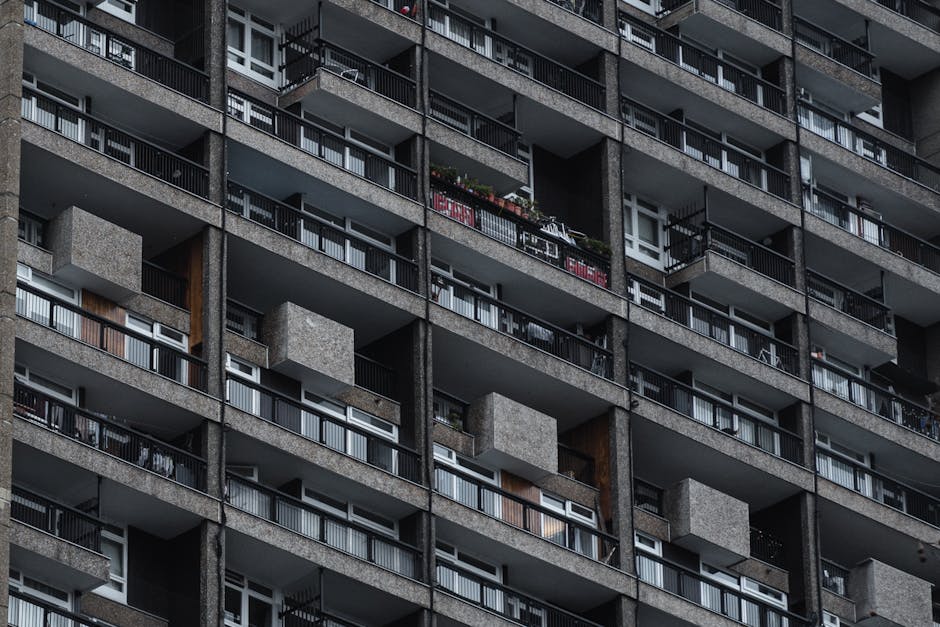
Common Mistakes to Avoid
The biggest mistakes are usually not dramatic. They are just the sort of small oversights that snowball.
- Assuming the building access will "sort itself out". It rarely does. Someone usually has to take ownership.
- Not mentioning lift issues. If the lift is slow, shared, or unreliable, say so early.
- Forgetting parking rules. A great clean can begin badly if the vehicle gets delayed or ticket risk is ignored.
- Booking a short slot for a complex visit. High-rise logistics can eat into working time. A too-tight window is asking for trouble.
- Leaving communal access unclear. "Just buzz me" is not enough when phone signal is patchy and the entrance has multiple doors.
- Not checking service scope. A deep clean, domestic clean and end-of-tenancy clean do not behave the same way on the day.
One more that people miss: hidden costs. Access problems can create extra labour time, parking charges, or second-visit fees if details are incomplete. It is worth reading what to watch for in Haringey cleaning quotes and common booking mistakes to avoid before you confirm anything.
Tools, Resources and Recommendations
You do not need fancy software to manage access well. You just need a few reliable habits and the right support materials.
- Building access notes: keep a simple written note with entry instructions, concierge hours, keypad codes, and lift details.
- Photo references: save a couple of pictures of the entrance and parking setup. Handy when instructions are being passed between people.
- Calendar reminders: make sure the booking time matches the building's allowed access window, not just your personal availability.
- Quote comparison: compare what is included, how access issues are handled, and whether parking or waiting time is covered.
- Service fit: use the right type of clean for the job, whether that is domestic, one-off, spring, or tenancy-related work.
For readers comparing broader support options, one-off cleaning in Haringey is useful for occasional work, while domestic cleaning in Haringey and house cleaning in Haringey are better starting points for ongoing upkeep. If you want a finance or payment comfort check, pricing and quotes and payment and security are worth a look too.
Law, Compliance, Standards, or Best Practice
For cleaning in high-rise buildings, the important thing is not to overstate the rules. The exact requirements depend on the building, the service, and the management arrangement. That said, there are some clear best-practice expectations in the UK that sensible providers follow.
Health and safety should always be taken seriously, especially where equipment is being carried through shared areas or where wet floors could create slips. Providers should think about safe loading, manual handling, and keeping communal routes clear. A responsible operator will also be careful about chemicals, ventilation and storage.
Building rules and access arrangements matter just as much. Managed blocks often set their own procedures for deliveries, contractor sign-in, lift use, and noise control. Those are not always legal rules, but they are real operational constraints. Ignore them and the day gets messy.
Insurance matters too. If a provider is moving equipment through communal areas, it is reasonable to ask whether they have suitable cover for accidents or damage. You do not need a lecture, just clear reassurance. That is why pages such as insurance and safety and health and safety policy can be useful for review.
Accessibility is another important angle. Buildings vary, and not every resident or visitor can manage stairs, heavy doors, or awkward entry systems. If you are planning work in a block with limited access, it is sensible to think about how the service will be made workable and fair for everyone involved. The site's accessibility statement is a helpful signpost for that broader approach.
If you are unsure about responsibilities, ask early. Clear questions now are better than a complaint later. That is probably the least glamorous advice in this whole article, but also the most useful.
Options, Methods, or Comparison Table
Different access setups need different approaches. Here is a simple comparison.
| Access setup | Main challenge | Best approach | Typical risk if ignored |
|---|---|---|---|
| Concierge or reception-managed block | Sign-in, waiting, and limited delivery windows | Pre-register the visit and confirm arrival details | Delay at entry and reduced working time |
| Fob-only entry | Resident must meet the cleaner or share access properly | Arrange a handover plan before the appointment | Cleaner cannot enter or has to reschedule |
| Lift-dependent tower | Lift queues, breakdowns, or size limits | Allow extra time and warn about large equipment | Rushed work or incomplete rooms |
| Stair-only access | Manual carrying and fatigue | Use smaller equipment and realistic time slots | Slower service and higher physical strain |
| Restricted parking area | Unloading and permits | Check parking rules and nearby legal stops | Late arrival or avoidable cost |
For cleaning jobs that involve fabric care or heavier equipment, the best option is often the one that fits the building rather than the one that looks simplest on paper. In a tower block, convenience often starts with a sensible plan, not a bigger machine.
Case Study or Real-World Example
Here is a realistic scenario from a typical Haringey high-rise. A resident in a 12th-floor flat books a living-room clean and carpet refresh for a Friday afternoon. The building has secure entry, a shared lift, and limited visitor parking. Sounds straightforward, but the resident forgets to mention that the concierge finishes at 3 p.m. and the only visitor bay is usually full by 2:30.
On the day, the cleaner arrives on time but has to wait outside while the resident is on a work call. Ten minutes become twenty. Then the lift is busy with a delivery, and the parking spot is already gone. By the time the equipment reaches the flat, the cleaner has lost a chunk of the booked window. The clean still happens, but the pace is tighter and one bedroom is moved to another visit.
Now compare that with a better planned version. The resident sends the access code the day before, pre-books the visitor bay if possible, and agrees to meet the cleaner at the entrance ten minutes before the slot starts. The cleaner knows the lift is small, so brings lighter gear and plans the sequence room by room. Result? Less stress, fewer interruptions, and a finish that feels calm rather than rushed. Same flat. Very different day.
That is the real point. Most access issues are not impossible problems. They are coordination problems.

Practical Checklist
Use this before your appointment.
- Confirm the flat number, block name, and full postcode
- Share a working phone number for the day
- Tell the cleaner how to enter the building
- Check whether a concierge or porter needs advance notice
- Confirm lift availability and any size restrictions
- Check parking, loading, and visitor bay rules
- Explain any quiet hours or access time limits
- Move small personal items out of the way
- Clear access to water, power sockets, and key rooms
- Ask how long the job should realistically take
- Confirm who will let the cleaner in and out
- Keep a backup plan if the lift is out or entry is delayed
If the job is part of a bigger refresh, you may also want to browse same-day cleaning delays and solutions in Haringey and the full services overview before you book. It helps set expectations properly.
Get a free quote today and see how much you can save.
Conclusion
Access problems in high-rise flats are common, but they are rarely the real problem. The real issue is usually unclear planning. Once you sort the building entry, lift use, parking, timing and handover details, cleaning logistics become much easier to manage. That is true whether you are looking after your own home, a rental, or a shared property in Haringey.
The good news is that a little preparation goes a long way. You do not need a perfect building or a flawless timetable. You just need the key details in advance, a realistic slot, and a cleaner who knows what they are walking into. Simple, really - though simple things are often the hardest to remember on a busy weekday.
If you want to explore more background about the local area and how residents experience it, you may enjoy hearing from Haringey residents or browsing a guide to Haringey's hidden treasures. And if you are planning a bigger clean or repeat visits, you can always start with about us and work from there. A calm, well-planned clean has a way of making the whole building feel lighter.


