End of tenancy cleaning Turnpike Lane bookings explained
Posted on 14/06/2026
Booking an end of tenancy clean can feel oddly high-stakes. One minute you're packing boxes and hunting for missing charger cables, the next you're wondering whether the oven, skirting boards, and bathroom grout are going to be judged with forensic enthusiasm. If you're moving out in Turnpike Lane, end of tenancy cleaning Turnpike Lane bookings explained is exactly the kind of guide that helps you avoid last-minute stress and get the handover done properly.
This article breaks down what the booking process usually looks like, what to expect from the clean itself, how to compare options, and where people often trip up. It's written for tenants, landlords, and anyone trying to line up a clean that actually meets the standard rather than merely looking tidy for five minutes.
To keep things practical, we'll also cover timing, what gets included, how to prepare the property, and how related services like end of tenancy cleaning in Haringey, deep cleaning, and carpet cleaning in Haringey fit into the bigger picture. Simple enough. But the devil, as always, is in the details.
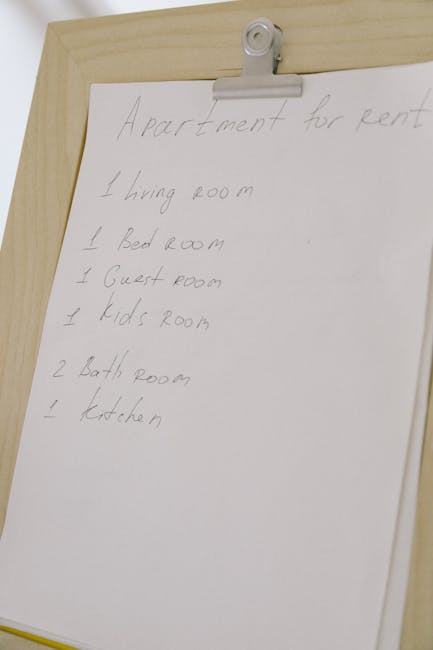
Table of Contents
- Table of contents
- Why end of tenancy cleaning Turnpike Lane bookings explained matters
- How end of tenancy cleaning Turnpike Lane bookings explained works
- Key benefits and practical advantages
- Who this is for and when it makes sense
- Step-by-step guidance
- Expert tips for better results
- Common mistakes to avoid
- Tools, resources and recommendations
- Law, compliance, standards and best practice
- Options and comparison table
- Case study or real-world example
- Practical checklist
- Conclusion
- Frequently asked questions
Why end of tenancy cleaning Turnpike Lane bookings explained matters
Let's face it: moving out is already messy in the emotional sense and the physical sense. There are boxes everywhere, a sofa that suddenly feels three times heavier, and at least one drawer full of things you forgot you owned. In that chaos, cleaning becomes either rushed or overcomplicated. That's why understanding the booking process matters. A well-planned end of tenancy clean can be the difference between a smooth checkout and a frustrating dispute over the property condition.
In Turnpike Lane, many tenants are balancing work, transport, removal timings, and handover deadlines. When the cleaner is booked at the wrong stage, the property may get dusty again after the movers leave. When it's booked too late, there may not be time to fix a missed area, and that can make the final inspection awkward. Neither option is ideal, to be fair.
Clear booking knowledge also helps landlords and letting agents. It gives everyone a realistic understanding of scope, timing, and what a professional clean can and cannot cover. That keeps expectations grounded, which is surprisingly useful in the final week of a tenancy when everybody's a little tired and slightly over it.
If you're also planning wider maintenance during a move, some readers find it useful to look at one-off cleaning in Haringey or spring cleaning support as a related benchmark for what a deeper clean should feel like.
Expert summary: A good end of tenancy booking is less about rushing to "get it cleaned" and more about timing, scope, and proof. Book early, clean after moving out, and make sure the quote matches the rooms and condition of the property.
How end of tenancy cleaning Turnpike Lane bookings explained works
Most bookings follow a fairly simple path. You ask for a quote, describe the property, choose a date, and confirm the access details. The cleaner then carries out a more intensive clean than a normal weekly tidy-up. That usually includes kitchens, bathrooms, floors, high-touch surfaces, visible fixtures, and often optional carpet or upholstery work where needed.
What changes from company to company is the level of detail in the quote and the way the job is scoped. Some providers price by property size. Others ask for room count, condition, and extras such as oven cleaning or carpet treatment. A few will bundle everything into a single fixed job, which can be convenient if your move-out timetable is tight.
The booking itself should be straightforward, but the useful bit is asking the right questions before you commit. For example: is the service designed for vacant properties? Is carpet care included or separate? Do they clean inside cupboards, behind appliances, or only the visible surfaces? Those questions sound small. They are not small when you're standing in an empty flat at 8:00 the next morning checking the skirting boards with a flashlight.
When you're comparing service pages, the services overview can help you understand where end of tenancy cleaning sits alongside domestic, house, office, and specialist cleaning. That wider context makes it easier to book the right job the first time.
What a typical booking request includes
- Property type and size
- Number of bedrooms, bathrooms, and reception rooms
- Whether the property is furnished or unfurnished
- Condition notes, such as heavy grease, limescale, stains, or pet hair
- Preferred date and time window
- Access instructions, keys, parking, or entry restrictions
- Optional extras like ovens, fridges, carpets, upholstery, or blinds
How the cleaner usually plans the job
In most cases, the team will start with the dirtiest and most time-sensitive areas: kitchen appliances, bathrooms, and flooring. Then they move through dusting, wiping, polishing, and finishing. That order matters because it stops dirt from being spread around again. A cleaner with a sensible workflow is usually a good sign. If somebody wants to polish before the dust is gone, well, that's a little concerning.
Key benefits and practical advantages
The obvious benefit is cleanliness, but that's only part of it. The more important advantage is control. When the booking is done properly, you know what's happening, when it's happening, and what standard is being targeted. That makes the final days of a tenancy less chaotic.
Here are the practical wins people tend to notice most:
- Cleaner handover: The property is more likely to present well at checkout.
- Less stress: You're not trying to scrub a bathroom while juggling removals and paperwork.
- Better presentation: Fresh floors, cleaned kitchen surfaces, and polished fixtures make a strong impression.
- Time saved: Professional cleaning compresses a huge job into a manageable window.
- More predictable results: A booked service follows a method, which is more reliable than trying to wing it in an afternoon.
There's also a practical financial angle. Even though we're not talking about precise pricing here, a properly scoped clean can reduce the risk of deductions caused by avoidable dirt or missed areas. That doesn't mean every dispute disappears. It just means you're starting from a stronger position.
If carpets are part of the issue, booking the right add-on matters. A standard clean may not fully deal with embedded marks, so many people pair tenancy cleaning with carpet cleaning or, where the property has soft furnishings, upholstery cleaning. You do not want to discover a wine stain two hours before the keys are handed back. That's the kind of surprise nobody enjoys.
Who this is for and when it makes sense
End of tenancy cleaning is for anyone leaving a rented home who wants the property cleaned to a professional standard before handover. That includes flat sharers, families, students, and tenants in furnished or unfurnished places. It's also relevant for landlords preparing a property for new occupants and letting agents organising turnover between tenancies.
It makes the most sense when:
- your move-out date is fixed and non-negotiable
- the property has been lived in for a long time and needs more than a quick tidy
- you have limited time because removals are happening the same day
- you want a professional record of cleaning effort before checkout
- you'd rather focus on packing and logistics than spend a full day scrubbing tiles
It's also worth considering if the property has features that tend to collect grime: extractor fans, oven interiors, limescale-heavy showers, skirting boards, or areas behind large furniture. You know the sort of thing. The bits everyone ignores until the last week.
For local context, Turnpike Lane is a busy, well-connected part of North London, so timing is often more important than in quieter areas. If you're moving along with other local tasks, you may also find the broader Haringey area pages and guides useful, such as this Haringey area guide and tips for selling in Haringey if you're moving between ownership and rental rather than simply changing flats.
Step-by-step guidance
If you want the clean to go smoothly, the booking process should be treated like part of the move, not an afterthought. Here's a practical way to handle it.
- Check your move-out timeline. Work backwards from the key handover date. If the tenancy ends on Friday and the removals happen Thursday evening, the clean may need to happen Friday morning after the property is empty.
- Decide what needs cleaning. List rooms, appliances, and extras. Be honest about the condition. A slightly grubby oven is one thing; a heavily used oven with baked-on residue is another.
- Request a detailed quote. Use a provider's quote process rather than guessing. If you need a starting point, the pricing and quotes page is a useful place to understand how jobs are typically estimated.
- Confirm access. Decide whether the team will meet you, collect keys, or access the property in another agreed way. This sounds basic, but missed access causes a surprising number of delays.
- Book the right date. If possible, schedule the clean after all packing and removals are complete. A clean done before the moving vans arrive is often undone by foot traffic and dust.
- Prepare the property. Remove personal belongings, food, toiletries, rubbish, and anything that would block a proper clean. Cleaners are good, but they are not magicians. Not quite, anyway.
- Review the finish. Before or after the clean, check the job against the scope. If anything was included and missed, flag it promptly and politely.
A sensible booking timeline
| Stage | What to do | Why it helps |
|---|---|---|
| 1 to 2 weeks before move-out | Request quotes and confirm scope | Gives you time to compare and ask follow-up questions |
| 2 to 3 days before | Finish decluttering and pack non-essentials | Makes the clean faster and more thorough |
| Move-out day | Remove everything and confirm access | Prevents cleaning around boxes, dust, and movers |
| Final clean day | Carry out the professional clean | Property is ready for inspection |
| Handover | Do a quick final check | Helps catch any last-minute issues before keys are returned |
Expert tips for better results
A few small choices make a noticeable difference. In our experience, the best results usually come from being accurate, not optimistic. That means describing the property as it really is, not as you wish it had been after a heroic weekend of wiping things down.
- Book after moving out: This is the single biggest upgrade to the result. Empty rooms are easier to clean properly.
- Be specific about stains and problem areas: Grease on cooker hoods, mould around sealant, and pet hair all need honest disclosure.
- Ask what is excluded: Some items, such as blinds, external windows, or heavy mould removal, may be outside standard scope.
- Keep the property warm and accessible: Warmth helps some cleaning tasks, and clear entry means no wasted time.
- Use photos if needed: If you're not on site, a few images help the cleaner judge the job properly.
Another good tip is to think in zones. Kitchens and bathrooms are usually the pressure points because they show wear fastest. Living rooms and bedrooms can often be sorted more quickly if the clutter is gone. Start where the dirt is most obvious, then work outward. It sounds obvious, but people often do the opposite.
And if you're not sure whether your home needs a full tenancy clean or something less intense, compare it with a broader domestic cleaning visit or house cleaning service. That comparison helps clarify the level of detail you're actually paying for.
Common mistakes to avoid
Most booking problems are avoidable. They usually come from rushing, vague communication, or assuming every provider means the same thing by "full clean." That phrase can be surprisingly slippery.
- Booking too early in the move: Cleaners end up working around boxes, dust, and last-minute packing.
- Underestimating the property condition: A rough oven or greasy kitchen needs more time than a light refresh.
- Assuming carpet care is included: It often is not. Always ask.
- Not confirming access: A locked flat and no key plan can wreck the whole day.
- Ignoring the inventory standard: If your tenancy agreement mentions cleaning expectations, the booking should reflect that.
- Expecting perfection without preparation: Professional cleaning is strong, but personal clutter and rubbish still need to go.
One of the most common issues is confusion around "standard" and "deep" cleaning. They overlap, but they are not identical. A tenancy clean is usually more targeted and evidence-focused. It's designed for handover, not a general spruce-up before guests come over for tea.
If you want a deeper look at how a more intensive clean compares, deep cleaning in Haringey is worth reviewing as a useful reference point.
Tools, resources and recommendations
You do not need a van full of equipment to book a good service, but it helps to know what a competent team usually brings. This can make the difference between a confident booking and a hopeful guess.
Common tools and materials used in tenancy cleans
- microfibre cloths and dusting equipment
- appropriate surface cleaners for kitchens and bathrooms
- glass and mirror cleaning materials
- vacuum equipment suitable for flooring and carpets
- scrubbing tools for stubborn marks and build-up
- sanitising products for high-touch surfaces
Useful things to have ready before the team arrives
- keys or access details
- parking information, if relevant
- a clear room-by-room scope
- photos of any awkward areas
- payment details and booking confirmation
For people who like to organise everything neatly, the about us page can also help build trust in the provider behind the service, while insurance and safety and the health and safety policy are sensible reads before anyone steps into your home. Not glamorous, no. Useful, very.
If you're comparing how a provider handles payment and booking administration, you may also want to review payment and security. It's a small detail until it isn't.
Law, compliance, standards and best practice
End of tenancy cleaning itself is usually governed less by a single cleaning law and more by practical tenancy expectations, contract terms, and good evidence. In the UK, the main thing to watch is what your tenancy agreement says about leaving the property in a clean condition and how deposit disputes are handled.
That means your booking should be set up with a few best-practice principles in mind:
- Match the tenancy agreement: If the agreement requires the property to be returned professionally cleaned, the service should reflect that expectation.
- Keep records: Save your booking confirmation, invoices, and any before-and-after photos.
- Use clear scope language: Items included and excluded should be obvious to both sides.
- Avoid assumptions: If the agent or landlord expects carpets, ovens, or upholstery to be treated, ask whether those are included.
Professional cleaning companies should also operate with sensible standards around safety, responsible product use, and access. If you're checking a provider's wider policies, pages like terms and conditions, privacy policy, and complaints procedure are worth a look. They tell you a lot about how the business is structured, even if they're not the most thrilling reading on a Friday evening.
And if the move relates to a landlord turnover, a sale, or a property upgrade, you may find these local articles helpful too: investing in Haringey property and what residents say about Haringey. They add useful local context without overcomplicating the cleaning side of things.
Options and comparison table
Not every property needs the same approach. Some tenants only need a standard tenancy clean. Others need a more detailed service with carpet treatment, oven cleaning, and upholstery care. Here's a straightforward comparison to help you decide.
| Option | Best for | Typical strengths | Possible drawback |
|---|---|---|---|
| Standard end of tenancy clean | Average vacant properties in fair condition | Good all-round presentation, easier to organise | May not cover every extra such as carpets or appliances |
| Tenancy clean with add-ons | Homes with ovens, carpets, or soft furnishings needing attention | More complete handover result | Needs better scoping and a little more planning |
| Deep clean | Heavily used properties or homes with significant build-up | Targets stubborn dirt and neglected areas | Can take longer and may cost more |
| One-off clean | Properties needing a refresh outside tenancy turnover | Flexible for ad hoc cleaning needs | Not always tailored to checkout standards |
In plain English, choose the least complicated option that still solves the real problem. If the flat is in decent shape, a tenancy-focused clean may be enough. If you've got a greasy extractor fan, pet hair on upholstery, and carpets that have seen better days, the smarter move is to add the relevant services instead of hoping one standard visit will do it all.
Case study or real-world example
Here's a realistic example. A couple moving out of a two-bedroom flat near Turnpike Lane had two competing pressures: their removals arrived late on a Thursday, and the checkout inspection was booked for Friday morning. They had cleaned as they packed, but by the end of the week the kitchen still had oven residue, the bathroom had limescale around the taps, and the lounge carpet had a couple of dark marks from heavy foot traffic.
Instead of booking the clean before they moved out, they scheduled it for the afternoon after the removals. That gave the cleaner clear access to every room, and the work could focus on the high-traffic areas without dodging boxes and furniture. They also added carpet cleaning, which was the right call because the marks would have stood out immediately in an empty room. The result was calmer handover, less panic, and a much better final inspection experience. Not magic. Just good timing and the right scope.
That kind of case is common. The best booking decisions usually aren't dramatic; they're practical. A lot of move-out stress disappears once the clean is arranged in the right slot.
Practical checklist
Use this checklist before you confirm the booking and again the day before the clean.
- Confirm your move-out date and inspection date
- Check whether the property will be empty when the clean happens
- List rooms, appliances, carpets, and any add-ons needed
- Describe any heavy dirt, stains, or awkward problem areas
- Ask what is included and excluded in the quote
- Confirm access, keys, parking, and contact details
- Remove belongings, rubbish, food, and toiletries
- Photograph any existing damage or pre-clean issues
- Save booking confirmation and any written scope notes
- Do a quick final check after the clean if possible
Quick takeaway: the clean works best when it is booked after moving out, scoped honestly, and supported by clear access instructions. That combination saves time, reduces hassle, and gives you a far stronger finish.
Get a free quote today and see how much you can save.
Conclusion
End of tenancy cleaning Turnpike Lane bookings explained comes down to a simple idea: the cleaner can only do a great job if the booking is accurate, well-timed, and matched to the property's actual condition. Once you understand that, the process becomes much less stressful. You stop guessing, start planning, and give yourself a proper chance of a smooth handover.
If you're moving soon, keep the booking practical, keep the instructions clear, and don't leave the clean until the last possible minute. A little organisation now saves a lot of scrambling later. And honestly, that's worth quite a lot when you're already up to your elbows in cardboard boxes.
When the move is over and the keys are back where they should be, the whole thing tends to feel lighter. That's the goal, really.